



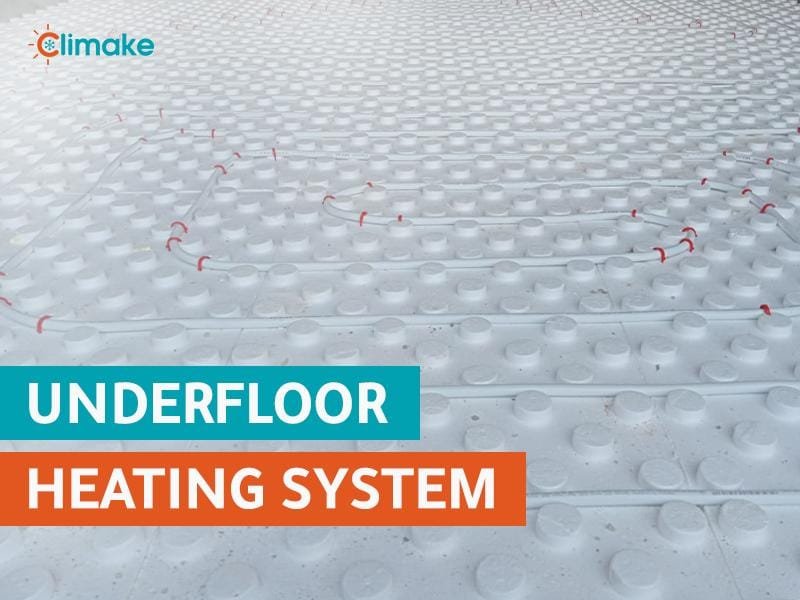
Underfloor heating systems have revolutionized the way modern homes, offices, and commercial spaces experience warmth and comfort. Unlike traditional radiators that only heat the air in a localized area, underfloor heating provides a consistent, radiant heat from the ground up, ensuring every corner of your space stays comfortably warm. In Egypt, where winter months are mild but indoor comfort is increasingly valued, underfloor heating has gained massive popularity in both residential and commercial projects.
This comprehensive guide will explore all underfloor heating system types, including electric, hydronic (water-based), hybrid, and smart connected solutions. You will learn the advantages, limitations, ideal applications, and innovative features that set Climake Egypt apart from competitors, By the end of this guide, you will have all the knowledge needed to choose, install, and maintain the perfect underfloor heating system tailored to your space.
What Is Underfloor Heating System Types?
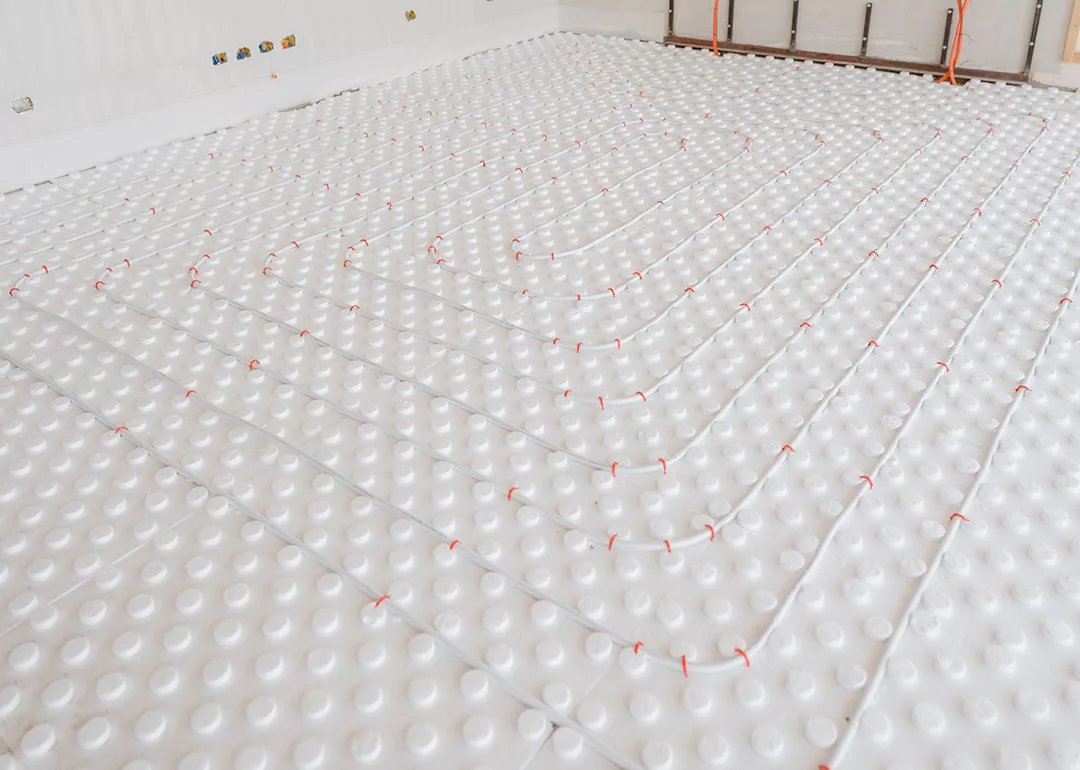
Underfloor heating (UFH) is a modern heating solution installed beneath the floor surface, designed to radiate warmth evenly across the entire room. Unlike conventional radiators that create hot and cold zones, UFH ensures uniform temperature distribution, enhancing comfort, reducing drafts, and improving overall energy efficiency.
The system works by using either electric heating elements or warm water circulated through pipes. Heat naturally rises, warming the floor and all objects in the room, providing a more natural and comfortable environment. Besides comfort, UFH maximizes floor space since no wall-mounted radiators are required, offering greater design freedom for architects and interior designers.
Why Underfloor Heating Is Becoming Popular in Egypt
The adoption of underfloor heating in Egypt is growing rapidly due to several factors:
- Energy Efficiency: UFH systems operate at lower temperatures than traditional radiators, offering significant savings on heating bills over time.
- Modern Interior Design: With no visible radiators, rooms look cleaner and more spacious, aligning perfectly with contemporary Egyptian architecture and interior trends.
- Comfort: UFH eliminates cold spots, delivering even warmth from floor to ceiling, ideal for tiled floors in bathrooms and kitchens.
- Smart Home Integration: Advanced UFH systems can integrate with smart thermostats, enabling remote control, energy monitoring, and scheduling.
- Sustainability: Hydronic systems can be powered by renewable energy sources, including solar thermal panels, promoting green building standards.
Underfloor Heating System Types
There are two primary categories of underfloor heating systems, each with distinct benefits, limitations, and applications: electric underfloor heating and hydronic (water-based) underfloor heating.
Electric Underfloor Heating
Electric UFH uses heating cables or mats installed beneath the floor surface to provide warmth.
How It Works
Electric current passes through cables embedded in the floor, generating heat that radiates upward. Modern systems are connected to programmable thermostats, allowing homeowners to control temperatures efficiently.
Advantages
- Quick Installation: Especially suitable for small renovations and bathroom or kitchen upgrades.
- Fast Heat-Up Time: Rooms warm up rapidly, ideal for immediate comfort.
- Compact Design: Requires no extra space for boilers or water pipes.
- Smart Controls: Easily integrates with app-based thermostats for remote temperature management.
Limitations
- Operational costs may be higher than hydronic systems for large spaces.
- Relies entirely on electricity, which could be expensive during high-demand periods.
Ideal Applications
- Bathrooms and toilets
- Kitchens
- Apartments and small residential units
Unique Insight: Electric UFH can be paired with solar photovoltaic (PV) panels to reduce energy costs and increase environmental sustainability — a feature often not highlighted by competitors.
Hydronic (Water-Based) Underfloor Heating
Hydronic systems circulate hot water through a network of pipes beneath the floor. The water is heated using a boiler, heat pump, or solar thermal system.
How It Works
Water flows through flexible piping installed below the floor. The heated water radiates energy upward, warming the floor evenly and maintaining a comfortable room temperature.
Advantages
- Lower Running Costs: Water systems are highly efficient, especially for large areas.
- Energy Savings: Works seamlessly with heat pumps and solar systems, reducing long-term energy expenditure.
- Comfortable Heat Distribution: Provides uniform warmth, ideal for large homes and commercial buildings.
- Eco-Friendly: Compatible with green energy initiatives and renewable sources.
Limitations
- Higher upfront installation costs.
- Requires professional planning, including insulation, pipe layout, and boiler configuration.
Ideal Applications
- Villas and large apartments
- Commercial and office spaces
- Hotels and hospitality projects
Hybrid Systems
Hybrid systems combine electric and hydronic heating to optimize performance. For example:
- Electric heating in small zones like bathrooms
- Hydronic circuits for larger living spaces
This approach maximizes efficiency and provides flexibility for complex building designs.
Smart and Connected Underfloor Heating
The latest systems integrate with smart home technology to allow:
- Remote temperature control via mobile apps
- Scheduling based on occupancy or time of day
- Energy monitoring and cost tracking
- Geo-location control to preheat rooms before arrival
This advanced control significantly reduces energy waste and enhances convenience — an important differentiator from many competitor websites.
Solar-Integrated Hydronic UFH
Hydronic systems can integrate with solar thermal panels, providing a sustainable heating solution. Egypt’s abundant sunlight makes this option highly effective, reducing energy costs and promoting eco-friendly living.
Detailed Comparison of System Types
| System Type | Ideal Use | Installation Cost | Operating Cost | Energy Efficiency | Control Options |
| Electric UFH | Small rooms, renovations | Low | Medium | Medium | Programmable thermostats, apps |
| Hydronic UFH | Large homes, commercial spaces | High | Low | High | Thermostats, zone control |
| Hybrid UFH | Mixed-use spaces | High | Medium | High | Advanced zone control |
| Smart Connected Systems | High-tech homes | Medium-High | Low | Very High | App & IoT control |
| Solar-Integrated Hydronic UFH | Sustainable projects | High | Very Low | Excellent | Thermostats + Solar sensors |
Installation Considerations & Best Practices
- Insulation – Install thermal insulation beneath heating elements to prevent heat loss downward.
- Floor Type Compatibility – Tiles and stone conduct heat efficiently; wood or laminate requires specialized systems.
- Zoning – Divide large spaces into separate zones to control heat efficiently.
- Smart Thermostats – Use programmable thermostats for energy savings and precise temperature management.
- Testing Before Flooring – Always test electric or hydronic systems before final floor installation to avoid costly errors.
Maintenance Tips for Longevity
- Annual thermostat calibration
- Periodic pipe and cable inspection
- Floor covering compatibility checks
- Smart sensors to detect anomalies
- Routine cleaning to avoid dust build-up affecting heat transfer
Proper maintenance extends the lifespan and efficiency of any underfloor heating system.
Why Choose Climake Egypt
- Expertise & Experience: Years of experience in designing and installing advanced underfloor heating systems across Egypt.
- Comprehensive Solutions: Offers electric, hydronic, hybrid, and smart heating systems tailored to every space and budget.
- High-Quality Products: Uses certified, durable components to ensure long-lasting performance and safety.
- Energy Efficiency: Focus on sustainable, energy-saving solutions, including solar integration and smart thermostats.
- Professional Installation: Trained technicians ensure precise, efficient, and reliable system setup.
- Customer Support: Dedicated team for guidance, maintenance advice, and troubleshooting.
- Customizable Designs: Tailored solutions for homes, villas, offices, and commercial projects.
- Innovative Technology: Integration with modern smart home systems for maximum comfort and control.
- Competitive Pricing: Value-driven solutions without compromising quality or performance.
- Proven Track Record: Successful projects across residential and commercial sectors in Egypt.
Choosing the right underfloor heating system in Egypt requires careful consideration of space, floor type, energy source, budget, and control preferences. Electric systems suit smaller areas and renovations, hydronic systems excel in large spaces, and hybrid or smart-connected solutions offer unparalleled flexibility and energy efficiency.
Climake Egypt combines expertise, advanced technology, and tailored solutions to ensure optimal comfort, energy savings, and long-term satisfaction. With a focus on innovation and customer guidance, Climake Egypt is your trusted partner for all underfloor heating system types in Egypt.
Upgrade Your Comfort Today! Explore the best underfloor heating system types for your home or office. Contact Climake Egypt now for a free consultation and personalized solution!
Frequently Asked Questions about Underfloor Heating System Types
- What is the best type of underfloor heating for homes in Egypt?
Electric systems are ideal for small areas, while hydronic systems are better for large homes or villas. Hybrid solutions offer the best of both worlds. - Can underfloor heating work with wooden floors?
Yes, but you need special electric foil systems or hydronic setups designed to prevent wood warping. - How long does underfloor heating take to install?
Electric UFH can be installed in a few days, while hydronic systems may take one to two weeks depending on project complexity. - Are underfloor heating systems energy efficient?
Yes. Hydronic systems are particularly efficient, and modern electric systems can be optimized with smart thermostats. - Can I use solar energy with underfloor heating?
Yes, hydronic systems can integrate with solar thermal panels to preheat water, reducing energy costs. - Do I need professional installation?
Professional installation is recommended, especially for hydronic systems, to ensure efficiency and prevent leaks. - How is maintenance handled?
Annual checks, thermostat calibration, and sensor monitoring keep UFH systems running efficiently. - Can I retrofit underfloor heating in an existing home?
Yes, electric systems are easier for retrofits, while hydronic retrofits require floor adjustments. - How long do underfloor heating systems last?
With proper maintenance, electric UFH can last 20–30 years, and hydronic systems can last 40–50 years. - Are smart thermostats necessary?
While optional, smart thermostats significantly improve energy efficiency, comfort, and convenience.
Experience Smart, Efficient Heating!” Don’t wait for cold floors—schedule your installation with Climake Egypt and enjoy consistent warmth, energy savings, and complete peace of mind.
Contact Us Now at 01096060690
Contact Us Now on WhatsApp