



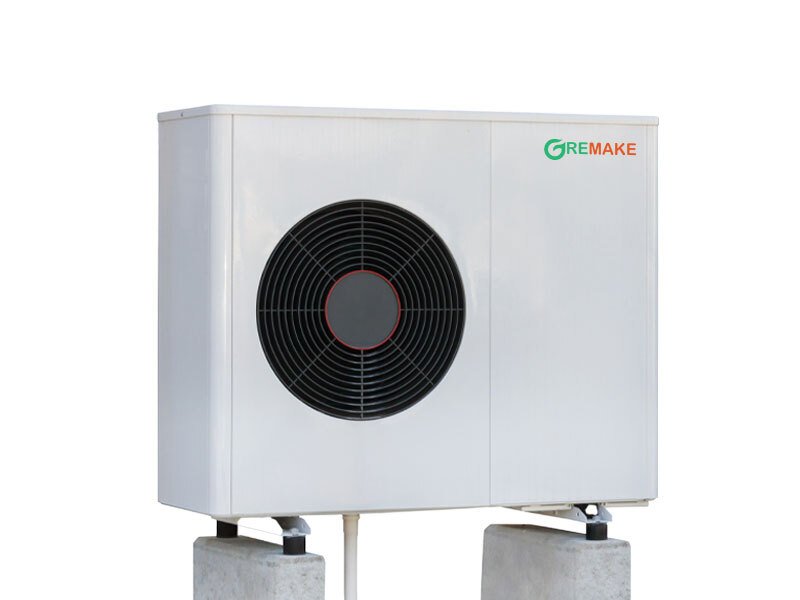
A swimming pool heat pump has become one of the most advanced and energy-efficient solutions for maintaining comfortable pool water temperatures throughout the year, In Egypt, where swimming pools are increasingly common in villas, resorts, hotels, sports clubs, and luxury residential compounds, pool owners are searching for reliable heating systems that provide high performance without creating massive electricity bills, Traditional electric heaters and gas systems may heat water quickly, but they often come with high operational costs, frequent maintenance requirements, and lower efficiency levels, This is why modern inverter swimming pool heat pumps are rapidly becoming the preferred choice for both residential and commercial projects.
Choose advanced swimming pool heat pump technology and transform your pool into a year-round luxury experience with professional installation and expert support.
Why Swimming Pool Heat Pumps Are Becoming Essential in Egypt

The demand for swimming pool heat pumps in Egypt has increased significantly over the past few years because pool owners are becoming more aware of energy efficiency and sustainability, Rising electricity prices have pushed homeowners and businesses to search for heating systems that provide powerful performance with minimal operational costs, Pool heat pumps perfectly match these requirements because they deliver consistent heating while consuming a fraction of the energy used by traditional systems.
Egypt’s climate creates ideal operating conditions for air-source heat pumps, Cities such as Cairo, New Cairo, Sheikh Zayed, Alexandria, Ain Sokhna, El Gouna, and the North Coast maintain temperatures that allow heat pumps to work efficiently during most months of the year. Even during colder winter periods, modern inverter systems continue extracting thermal energy from the air and transferring it into pool water efficiently.
The popularity of swimming pool heat pumps is also driven by the growing luxury real estate market in Egypt, High-end villas and residential compounds increasingly include private pools, and homeowners expect year-round usability instead of limiting pool use to summer months only. Hotels, resorts, and sports clubs also benefit from maintaining comfortable water temperatures for guests and athletes throughout the year.
Some of the biggest advantages that make swimming pool heat pumps an essential investment include:
- Significant reduction in monthly electricity bills
- Environmentally friendly heating technology
- Quiet and comfortable operation
- Longer equipment lifespan
- Stable and accurate temperature control
- Reduced maintenance requirements
- Improved property value
- Extended swimming seasons
- Smart automation compatibility
- Better long-term return on investment
What Is a Swimming Pool Heat Pump and How Does It Work?
A swimming pool heat pump is a highly efficient heating system designed specifically to transfer thermal energy from the surrounding air into pool water, Instead of creating heat directly through electric resistance or fuel combustion, the system uses advanced refrigerant technology to absorb and move heat efficiently.
The operating cycle begins when the system fan pulls outdoor air across the evaporator coil, The refrigerant inside the coil absorbs heat from the air and transforms into gas, This gas is compressed by the compressor, which dramatically increases its temperature, The heated refrigerant then passes through a titanium heat exchanger where the thermal energy is transferred into the pool water, After releasing the heat, the refrigerant cools down and repeats the cycle continuously.
This process allows swimming pool heat pumps to achieve extremely high efficiency ratings known as COP (Coefficient of Performance), In many cases, the system can generate 5 to 7 units of heating energy for every single unit of electricity consumed, This efficiency level is one of the main reasons why heat pumps outperform traditional electric heaters in terms of operating costs.
Modern systems include advanced features that improve both performance and user experience, such as:
- Full inverter compressor technology
- Automatic defrost systems
- WiFi and mobile app control
- Intelligent temperature management
- Dual heating and cooling modes
- Silent operation technology
- Smart diagnostic systems
- Titanium anti-corrosion heat exchangers
- Eco-friendly refrigerants
- Advanced energy monitoring systems
The Difference Between Inverter and Traditional Pool Heat Pumps
One of the most important factors when choosing a swimming pool heat pump is understanding the difference between inverter systems and traditional fixed-speed systems, Many competitors in the market mention inverter technology briefly, but few explain its real impact on energy savings, comfort, and long-term durability.
Traditional fixed-speed heat pumps operate using a compressor that turns on and off repeatedly at full power, While this method can heat the pool effectively, it creates several disadvantages including higher electricity consumption, louder operation, and inconsistent temperature control.
Inverter swimming pool heat pumps, on the other hand, use variable-speed compressors that automatically adjust operating power according to heating demand, Instead of working at maximum capacity constantly, the system intelligently reduces compressor speed once the desired water temperature is reached, This creates smoother operation and dramatically reduces energy usage.
Comparison Between Inverter and Traditional Pool Heat Pumps
| Feature | Inverter Pool Heat Pump | Traditional Pool Heat Pump |
| Energy Consumption | Very Low | High |
| Noise Level | Extremely Quiet | Louder |
| Temperature Stability | Excellent | Moderate |
| Compressor Lifespan | Longer | Shorter |
| Electricity Savings | Up to 80% | Limited |
| Smart Controls | Advanced | Basic |
| Heating Speed | Optimized Automatically | ثابتة |
| Maintenance Frequency | Lower | Higher |
| Operating Efficiency | Superior | Standard |
Because of these benefits, inverter swimming pool heat pumps are now considered the best option for luxury villas, hotels, and commercial pools in Egypt.
Important Factors That Affect Pool Heat Pump Efficiency
The efficiency of a swimming pool heat pump does not depend only on the machine itself, Several external factors can directly affect performance, energy consumption, and heating speed, Understanding these factors helps pool owners maximize efficiency and reduce operational costs.
-
Pool Size and Water Volume
Large pools naturally require more heating power than smaller pools, Correct sizing is critical because undersized systems struggle to maintain temperature while oversized systems may waste energy unnecessarily.
-
Outdoor Air Temperature
Since heat pumps extract heat from the air, warmer outdoor temperatures improve efficiency significantly, Egypt’s climate gives heat pumps a major advantage compared to colder countries.
-
Pool Insulation
Poor insulation leads to rapid heat loss, Using thermal insulation around pool walls and pipes improves energy retention dramatically.
-
Pool Covers
Thermal covers reduce evaporation, which is one of the largest causes of heat loss in swimming pools, A high-quality pool cover can reduce heating costs substantially.
-
Wind Exposure
Strong winds accelerate evaporation and increase heat loss, Proper pool positioning and landscaping can help minimize this issue.
-
Operating Schedule
Running the heat pump during warmer daytime periods improves efficiency because the system extracts heat more easily from warm outdoor air.
Smart Automation Systems for Modern Pool Heating
One major topic that many competitors rarely discuss is smart automation technology, Today’s advanced swimming pool heat pumps are no longer simple heating devices; they are intelligent climate-control systems designed for convenience, efficiency, and remote management.
Modern automation systems allow homeowners to control pool temperatures directly from mobile applications or smart home systems, Users can schedule operating hours, monitor electricity consumption, adjust heating modes remotely, and receive maintenance notifications instantly.
Smart automation offers several important benefits:
- Reduced unnecessary energy consumption
- More stable water temperatures
- Easier maintenance management
- Faster troubleshooting
- Better operational efficiency
- Improved user convenience
- Remote system access from anywhere
- Integration with smart villa systems
Luxury residential projects and premium hotels in Egypt increasingly demand these smart features because they improve comfort while lowering long-term operational expenses.
Noise Reduction Technology in Modern Swimming Pool Heat Pumps
Noise levels are one of the biggest concerns for villa owners and hotel operators, Older heating systems often create uncomfortable sound levels that affect outdoor relaxation areas and disturb guests.
Modern inverter swimming pool heat pumps solve this problem using advanced noise-reduction technologies including:
- Variable-speed fan motors
- Anti-vibration compressor mounts
- Acoustic insulation panels
- Silent airflow designs
- Intelligent low-speed nighttime modes
Some premium systems now operate at noise levels comparable to household refrigerators, making them ideal for luxury residential environments.
The Importance of Professional Installation
Even the most advanced swimming pool heat pump can perform poorly if installation is not handled correctly. Professional installation directly affects energy efficiency, operating lifespan, and long-term reliability.
A complete installation process typically includes:
-
Engineering Inspection
Specialists analyze pool size, pipe layout, electrical requirements, and environmental conditions before selecting equipment.
-
Proper Equipment Sizing
Correct capacity selection prevents energy waste and ensures stable heating performance.
-
Hydraulic Connections
High-quality piping systems improve water circulation and reduce pressure loss.
-
Electrical Protection Systems
Dedicated breakers and protection devices improve operational safety.
-
Airflow Optimization
Heat pumps require sufficient ventilation space to operate efficiently.
-
Final Testing and Calibration
System testing ensures proper temperature control and maximum performance.
Common Mistakes Pool Owners Should Avoid
Many pool owners unknowingly reduce system efficiency or shorten equipment lifespan by making avoidable mistakes.
-
Choosing Equipment Based Only on Price
Cheap systems often consume more electricity and require frequent repairs.
-
Ignoring Regular Maintenance
Lack of maintenance can reduce efficiency dramatically over time.
-
Installing the Unit in a Closed Space
Restricted airflow negatively affects heat transfer performance.
-
Not Using a Pool Cover
Without a thermal cover, pools lose large amounts of heat through evaporation.
-
Incorrect Temperature Settings
Constantly changing water temperature increases electricity consumption unnecessarily.
Maintenance Tips for Long-Term Performance
Proper maintenance ensures that a swimming pool heat pump continues operating efficiently for many years.
Important maintenance practices include:
- Cleaning evaporator coils regularly
- Checking refrigerant pressure
- Inspecting electrical connections
- Cleaning pool filters
- Monitoring water flow rates
- Inspecting titanium heat exchangers
- Removing debris around the unit
- Scheduling annual professional servicing
Regular servicing improves performance, lowers electricity consumption, and extends compressor lifespan significantly.
Why Swimming Pool Heat Pumps Are Better Than Traditional Heating Systems
Compared to gas heaters and electric resistance systems, swimming pool heat pumps provide a far more balanced combination of efficiency, comfort, and sustainability.
Key advantages include:
- Lower operational costs
- Reduced environmental impact
- Longer equipment lifespan
- More stable temperature control
- Safer operation
- Lower maintenance requirements
- Quiet performance
- Smart automation compatibility
This makes them the preferred long-term solution for modern swimming pools in Egypt.
Why Choose Climake Egypt?
Climake Egypt is one of the leading companies specializing in swimming pool heat pump solutions in Egypt, offering advanced heating systems designed for maximum energy efficiency, long-term performance, and year-round swimming comfort. The company provides customized solutions for villas, hotels, resorts, and commercial pools using modern inverter technology and professional installation standards.
Key Benefits of Choosing Climake Egypt
- Advanced inverter swimming pool heat pumps
- Lower electricity consumption and operating costs
- Professional installation and engineering consultation
- Smart control and automation systems
- Quiet and energy-efficient operation
- High-quality European technologies
- Customized solutions for residential and commercial pools
- Reliable after-sales support and maintenance services
With a focus on quality, innovation, and customer satisfaction, Climake Egypt delivers efficient and reliable pool heating solutions tailored specifically for the Egyptian climate.
Upgrade Your Pool Heating System Today
Contact Climake Egypt to discover the latest inverter swimming pool heat pump solutions designed specifically for the Egyptian climate and luxury residential projects.
Frequently Asked Questions About Swimming Pool Heat Pumps
1. How much electricity does a swimming pool heat pump consume?
A swimming pool heat pump consumes significantly less electricity compared to traditional electric heaters because it transfers heat instead of generating it directly, Actual consumption depends on pool size, outdoor temperature, insulation quality, and the desired water temperature, Modern inverter systems can reduce energy consumption by up to 80%, especially when combined with thermal pool covers and smart automation systems.
2. Can a swimming pool heat pump work efficiently during winter in Egypt?
Yes, modern inverter swimming pool heat pumps are specifically designed to perform efficiently even during colder winter conditions in Egypt, Since Egypt has relatively moderate winters compared to many countries, heat pumps can still extract enough thermal energy from the outdoor air to maintain comfortable swimming temperatures throughout most of the year.
3. How long does it take to heat a swimming pool?
The heating time depends on several factors including pool volume, starting water temperature, weather conditions, and heat pump capacity, In most residential pools, the initial heating process may take between 24 and 48 hours. After reaching the target temperature, the system only needs to maintain the heat, which requires much lower energy consumption.
4. Are swimming pool heat pumps noisy during operation?
Modern swimming pool heat pumps are designed with advanced noise-reduction technologies such as inverter compressors, silent fan motors, and anti-vibration systems, Many premium models operate at very low sound levels that are comparable to household appliances, making them ideal for villas, hotels, and luxury residential environments where quiet operation is important.
5. What is the average lifespan of a swimming pool heat pump?
A high-quality swimming pool heat pump can last between 10 and 15 years or even longer when professionally installed and maintained properly, Regular servicing, proper airflow around the unit, clean filters, and stable electrical connections all contribute to extending the lifespan and maintaining high operating efficiency over time.
6. Can a swimming pool heat pump both heat and cool the water?
Yes, many advanced inverter swimming pool heat pumps now include dual-mode functionality that allows both heating and cooling, This feature is extremely useful in Egypt, especially during the summer season when pool water temperatures may become excessively warm and uncomfortable for swimming during daytime hours.
7. Does pool insulation affect heat pump efficiency?
Absolutely, Proper pool insulation plays a major role in improving swimming pool heat pump efficiency, Insulated pool walls, pipes, and thermal covers reduce heat loss significantly, allowing the system to maintain water temperature with less energy consumption and shorter operating times, which ultimately lowers monthly electricity bills.
8. Is a swimming pool heat pump better than a gas heater?
In most cases, a swimming pool heat pump is a more energy-efficient and cost-effective solution than gas heaters. While gas systems may heat water faster initially, heat pumps provide much lower long-term operational costs, quieter operation, reduced maintenance requirements, and a more environmentally friendly heating solution.
9. What size swimming pool heat pump should I choose?
Choosing the correct heat pump size depends on several important factors including pool dimensions, water volume, outdoor climate, wind exposure, desired water temperature, and whether a pool cover is used, Professional engineering calculations are always recommended to ensure the system delivers optimal performance without unnecessary energy waste.
10. Why are inverter swimming pool heat pumps considered the best option?
Inverter swimming pool heat pumps are considered superior because they automatically adjust compressor speed according to the pool’s heating demand, This intelligent operation reduces electricity consumption, improves temperature stability, minimizes noise levels, and extends compressor lifespan, making inverter systems the preferred choice for modern residential and commercial pools in Egypt.
A swimming pool heat pump is one of the smartest investments for pool owners in Egypt who want year-round comfort, lower electricity bills, and long-term energy efficiency, Modern inverter systems combine advanced heating performance with intelligent automation, quiet operation, and environmentally friendly technology, making them far superior to traditional electric and gas heating systems.
Reduce Electricity Costs with Smart Pool Heating
Get professional consultation and customized pool heating solutions that maximize efficiency while minimizing operational expenses.