




As homeowners in Egypt continue to search for more efficient and modern heating solutions, water underfloor heating has emerged as one of the most advanced and cost-effective systems available today, Unlike traditional heating methods such as radiators, this system distributes heat evenly from the floor upward, creating a more comfortable and energy-efficient indoor environment.
With the growing interest in underfloor heating water vs electric, many property owners are now evaluating whether to invest in electric systems or choose a more sustainable hydronic solution, In this comprehensive guide, we will explore everything you need to know about water underfloor heating, including how it works, its advantages, installation costs, and how it compares to other heating systems.
Understanding Underfloor Heating Systems
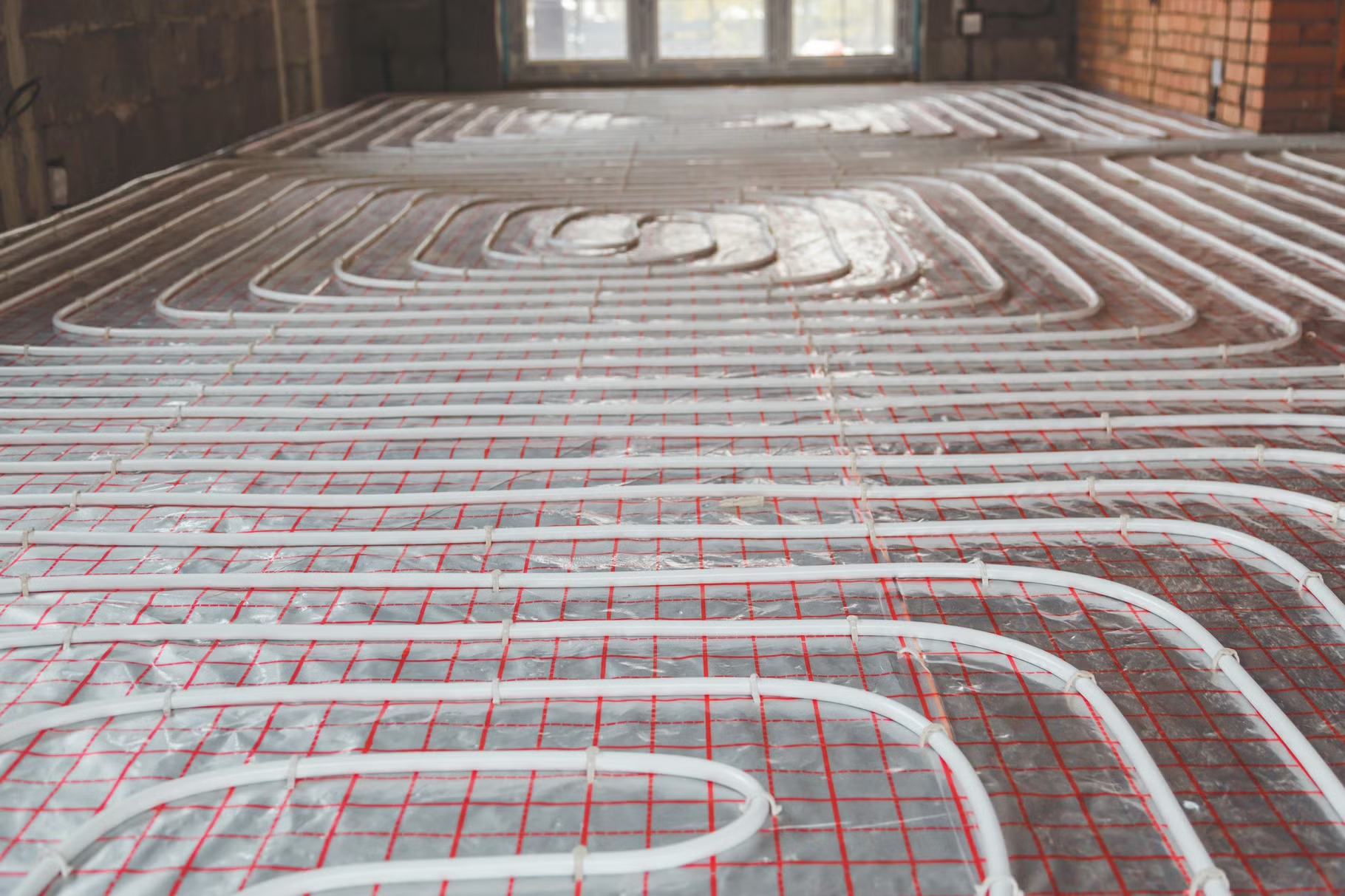
Underfloor heating is a modern heating method that eliminates the need for visible heating units like traditional radiator systems, Instead, it relies on heating elements installed beneath the floor surface to distribute warmth evenly throughout the space.
Types of Underfloor Heating Systems
Electric Underfloor Heating
This system uses electrical cables or heating mats installed under the floor, It is easier to install but comes with higher operating costs.
Water Underfloor Heating (Hydronic System)
This system uses a network of pipes circulating warm water beneath the floor, making it more energy-efficient and suitable for long-term use.
Key Benefits of Underfloor Heating
- Even heat distribution across all rooms
- Improved energy efficiency
- Enhanced comfort levels
- Clean and modern interior design
Contact Climake Egypt now for a free consultation and customized heating system design.
How Water Underfloor Heating Works
Water underfloor heating, also known as hydronic underfloor heating, operates by circulating warm water through a network of pipes installed beneath the floor surface, The water is heated using a boiler or a heat pump, and the heat is then transferred evenly across the floor.
Main Components
- Heating pipes installed under the floor
- Manifold system for water distribution
- Heat source (boiler or heat pump)
- Thermostat for temperature control
This system ensures consistent and gentle heat, making it one of the most comfortable heating solutions available.
Electric vs Water Underfloor Heating: Key Differences
When comparing electric vs water underfloor heating, several important factors must be considered.
| Feature | Electric System | Water Underfloor Heating |
| Installation | Easy and fast | Complex but long-lasting |
| Initial Cost | Lower | Higher |
| Running Cost | High | Low |
| Efficiency | Moderate | High |
| Best Use | Small spaces | Large areas |
Water underfloor heating is the better long-term investment
Underfloor Heating Water vs Electric: Efficiency Comparison
The debate around underfloor heating water vs electric often focuses on efficiency and long-term performance.
Electric systems are suitable for intermittent heating, such as bathrooms or small rooms. However, water-based systems are designed for continuous use and provide significantly better energy efficiency over time.
As a result, water underfloor heating is widely considered the superior option for homeowners looking to reduce energy consumption.
Electric or Water Underfloor Heating: Which Is Better?
Choosing between electric or water underfloor heating depends on several factors:
Choose Electric If:
- You are renovating an existing property
- You need quick installation
- You are heating a small area
Choose Water If:
- You are building a new home
- You want long-term energy savings
- You need heating for large spaces
In Egypt, the demand for water underfloor heating is increasing due to its efficiency and cost-saving potential.
Installation Costs and Complexity
Water Underfloor Heating Installation
Installing a water-based system requires embedding pipes within the floor structure, which makes it more suitable for new constructions or major renovations.
Although the initial cost is higher, the long-term savings in energy consumption make it a worthwhile investment.
Electric System Installation
Electric systems are easier to install and require less labor, but their higher operating costs make them less economical in the long run.
Running Costs and Long-Term Savings
One of the biggest advantages of water underfloor heating is its low operating cost, Since water retains heat more efficiently than electricity, the system requires less energy to maintain a comfortable temperature.
When comparing electric underfloor heating vs water, it becomes clear that water systems provide better long-term savings, especially when used in larger spaces.
Comfort and Heat Distribution
Water underfloor heating provides a unique level of comfort by distributing heat evenly across the entire floor, This eliminates cold spots and ensures a consistent indoor temperature.
Compared to traditional heating systems, this method creates a more natural and comfortable environment, making it ideal for both residential and commercial properties.
Maintenance and Lifespan
Water-based systems require periodic maintenance to ensure optimal performance, However, they are highly durable and can last more than 25 years when properly maintained.
Electric systems, on the other hand, require minimal maintenance but may have a shorter lifespan.
Environmental Impact
One of the major advantages of water underfloor heating is its compatibility with renewable energy sources such as solar panels and heat pumps.
This significantly reduces carbon emissions and makes it an environmentally friendly heating solution.
Best Applications for Water Underfloor Heating
Water underfloor heating is ideal for:
- Villas and large homes
- Offices and commercial buildings
- New construction projects
- Luxury residential developments
It is less suitable for small spaces or temporary heating needs.
Hydronic Underfloor Heating Market Growth
The hydronic underfloor heating market is expanding rapidly in Egypt due to:
- Increasing energy costs
- Growing demand for sustainable solutions
- Expansion of modern housing projects
This trend highlights the shift toward more efficient and eco-friendly heating systems.
Why Choose Climake Egypt?
Climake Egypt is a leading provider of advanced heating solutions, specializing in water underfloor heating systems.
Key Advantages
- Customized system design tailored to your property
- High-efficiency heating solutions
- Professional installation services
- Long-term cost optimization
Upgrade your home with water underfloor heating and enjoy unmatched comfort and energy efficiency.
Contact us now
FAQs About Water Underfloor Heating
What is water underfloor heating and how does it work?
Water underfloor heating uses a network of pipes beneath the floor to circulate warm water, The heat is evenly distributed across the room, providing consistent and comfortable warmth.
Electric vs water underfloor heating: which is better?
Water systems are more efficient and cost-effective for long-term use, Electric systems are easier to install but have higher running costs over time.
Is water underfloor heating expensive to install?
Yes, the initial installation cost is higher than electric systems, However, it offers significant long-term savings on energy bills.
Underfloor heating water vs electric: which is more efficient?
Water underfloor heating is more energy-efficient, especially for large spaces and continuous heating needs.
Can water underfloor heating be installed in existing homes?
Yes, but it is easier to install during construction or major renovation projects due to the need for floor integration.
How long does water underfloor heating last?
With proper maintenance, water underfloor heating systems can last over 25 years, making them a durable investment.
Is water underfloor heating environmentally friendly?
Yes, it can be combined with renewable energy sources like solar panels, reducing carbon emissions significantly.
Electric or water underfloor heating: which is cheaper to run?
Water systems are cheaper to operate over time, while electric systems have higher energy costs.
Can water underfloor heating replace radiators?
Yes, it can fully replace traditional radiators while providing more even and efficient heating.
Is water underfloor heating worth the investment?
Absolutely, especially for large homes and long-term use, as it provides better comfort and lower energy costs.
Water underfloor heating is one of the most advanced and efficient heating solutions available today. It offers superior comfort, lower operating costs, and long-term value compared to electric systems and traditional radiators.
While the initial installation cost may be higher, the long-term savings and improved performance make it the best choice for modern homes in Egypt.
If you are looking for a reliable and future-proof heating solution, water underfloor heating is the ultimate investment.
Contact us